IT Networks
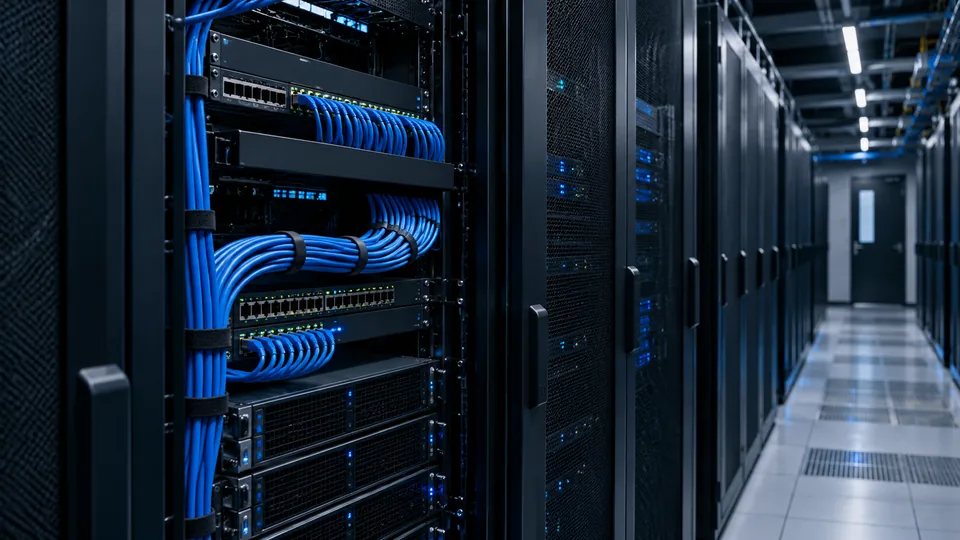
Design and integration of wired and wireless business networks, with attention to connectivity, segmentation, capacity and day-to-day operation.
The starting point is understanding which users, applications and locations the network must connect. Work can include network topology, switching, routing, wireless access, internet connectivity, separation of user groups and the integration of existing equipment.
Implementation is planned with business continuity and future maintenance in mind. The agreed scope can include configuration, connection testing and technical documentation, helping the organization operate a network that is understandable, manageable and appropriate for its actual workload.
Cloud Infrastructure
Planning and integration of cloud environments, including deployment structure, access, reliability and resource use according to business requirements.
Cloud infrastructure provides the technical environment in which applications and data services run. A project can examine workload needs, deployment options, network connectivity, identity and access, backup arrangements and the operational responsibilities shared between the organization and its providers.
The aim is to select a structure that fits the business instead of moving systems to the cloud without a clear purpose. Migration steps, resource sizing, monitoring and cost visibility can be included in the agreed work, while provider charges and ongoing operation are addressed explicitly.
Software Development

Software built around defined workflows, with requirements analysis, implementation and integration into existing business processes.
Development starts by defining the problem the software should solve, the people who will use it and the information it must handle. Requirements are translated into an implementation plan covering workflows, interfaces, data structures and connections with other systems.
The project can include prototypes, iterative development, functional checks, deployment preparation and documentation. This makes it possible to review the solution progressively and verify that the delivered behaviour matches the agreed scope, while leaving a maintainable foundation for future changes.
Web Applications
Browser-based applications for business workflows, customer services and internal tools, designed around usability and maintainable integrations.
A web application lets users perform tasks through a browser, from managing projects and records to requesting services or accessing an internal portal. The design considers user journeys, responsive layouts, access needs and the information exchanged with backend systems.
Work can include interface development, application logic, integrations, validation and deployment. The appropriate architecture depends on the task: some solutions can remain largely static, while others require authenticated access and server-side processing. Those capabilities are defined as part of the project rather than assumed.
Mobile Applications
Mobile applications for field work, customer interactions and operational tasks, with scope and platform support defined for each project.
Mobile projects focus on the situations in which people use a phone or tablet, including movement, small screens and variable connectivity. Requirements can include data capture, task management, notifications, device features and synchronization with an existing business system.
The selected platform and development approach depend on the intended users, devices and distribution model. Prototypes and practical tests help review usability before broader release. Offline operation, app-store publication, maintenance and backend services are included only when they form part of the agreed scope.
Artificial Intelligence
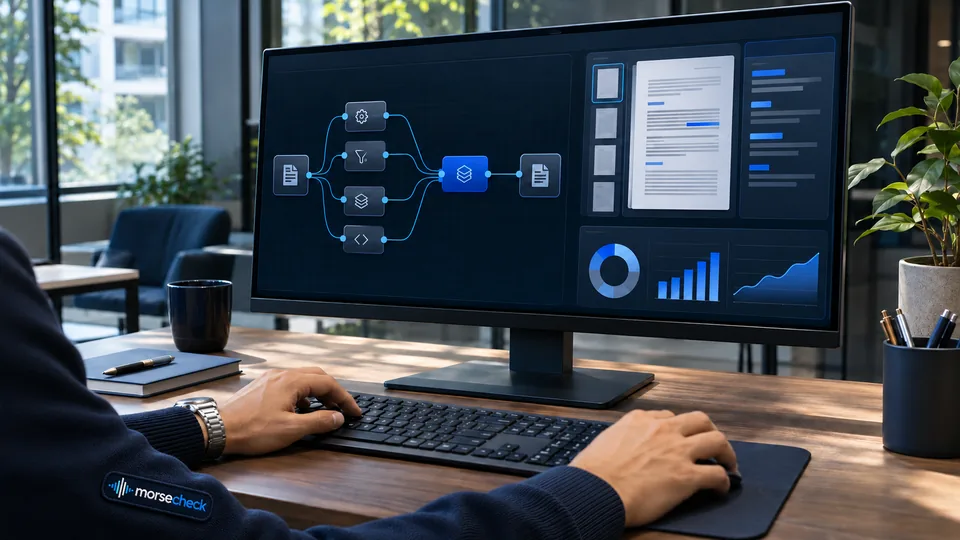
Assessment and integration of AI-assisted workflows for suitable business tasks, including data requirements, evaluation and human oversight.
AI work begins by deciding whether a task benefits from automation or assistance and whether the necessary data can be used appropriately. Potential use cases include organizing information, supporting document workflows, extracting structured content and assisting internal decision processes.
The scope can include a limited prototype, evaluation against representative examples, integration and controls for human review. Accuracy, data handling, operating costs and failure cases are considered before wider use. AI outputs are evaluated for the specific task rather than treated as inherently reliable.
Cybersecurity

Security reviews and practical improvements for systems, networks and applications, based on the agreed scope and authorized access.
A cybersecurity project identifies the systems to assess, the permitted activities and the business risks that matter most. Reviews can examine configuration, access permissions, software exposure, network separation and the way sensitive information is handled.
Findings are prioritized so the organization can address practical weaknesses with a clear rationale. The agreed work may include remediation guidance, configuration improvements and verification after changes. Intrusive testing requires an explicit scope and authorization; no review can promise the absence of all future security incidents.
Hardware & Infrastructure
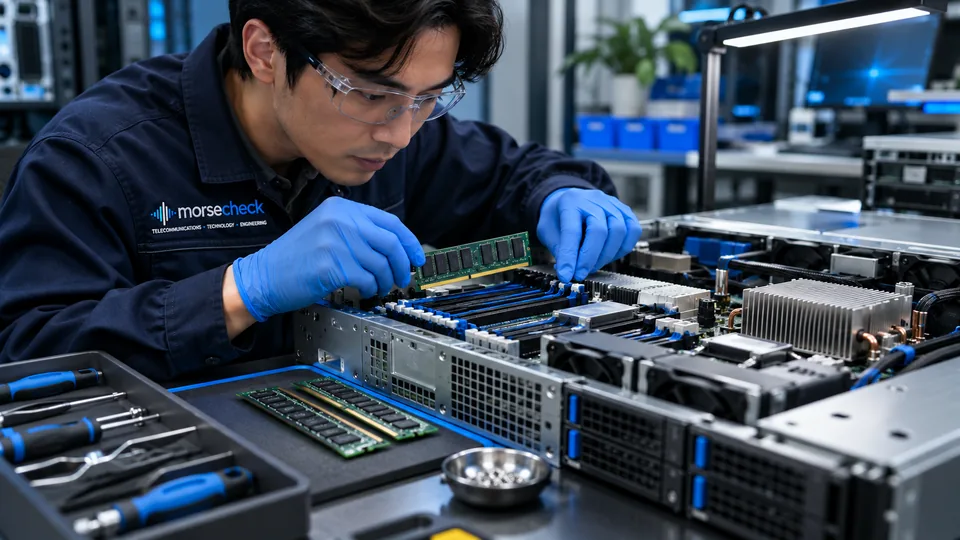
Selection and integration of computing hardware and technical infrastructure to match performance, compatibility and operational needs.
Infrastructure decisions involve more than selecting individual devices. The work considers how servers, workstations, storage, network equipment and supporting components will operate together, as well as power, connectivity, capacity and compatibility with existing systems.
The project can include requirements assessment, comparison of options, installation planning and integration checks. Documentation and a clear understanding of maintenance needs help the organization manage the equipment over its useful life, while procurement and support conditions are confirmed individually.
Systems Integration
Connecting applications, devices and data flows so that existing systems can work together with clear interfaces and responsibilities.
Integration addresses the gaps between systems that were not originally designed to work together. A project may connect business applications, websites, field devices or external services through documented interfaces, data exchanges and controlled automation.
Attention is given to data mapping, validation, access, error handling and the ownership of each part of the workflow. The result should reduce unnecessary manual work while keeping failures understandable and recoverable. Compatibility and provider limitations are checked before the integration design is finalized.
Technology Consulting

Technical guidance to assess options, define priorities and plan technology projects around practical business needs.
Technology consulting helps turn a broad business need into a defined technical direction. It can involve reviewing the current environment, identifying pain points, comparing build-versus-buy options and setting priorities for investment or implementation.
The output may be a requirements brief, an assessment of alternatives, a project roadmap or an independent technical review. Recommendations consider operational effort, maintainability, cost and dependencies, giving the client a practical basis for deciding what to do next and in what order.
 Discuss a Project ↗