
MORSECHECK / CONNECTING DISCIPLINES
Technology.
Engineering.
Connectivity.
Investments.
International solutions across telecommunications, technology, engineering, automotive systems and strategic investments.
01 — 05 / OUR CAPABILITIESINDEPENDENT THINKING. PRACTICAL EXECUTION.
OUR CAPABILITIES
Specialized knowledge.
Connected capabilities.





Network Measurement
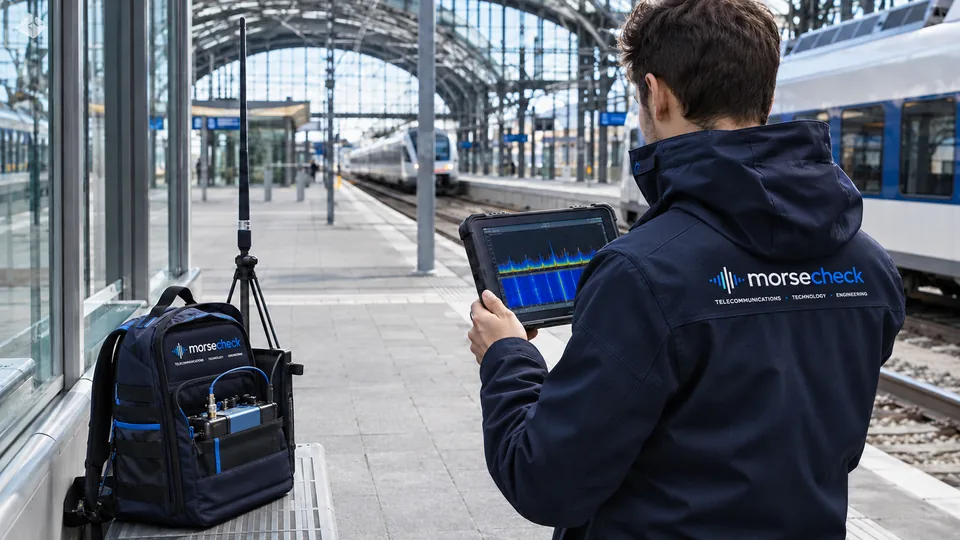
Field measurements assess coverage, signal quality and network behaviour in real operating conditions. Drive tests and walk tests help identify where users experience weak service or interruptions.
A campaign can cover streets, transport routes, buildings or specific problem areas. The measurement plan defines routes, test locations, devices, network technologies and service scenarios, such as voice calls or data sessions, so results can be interpreted in their real operating context.
The analysis brings together signal observations and service performance to distinguish coverage limitations from other possible causes. Findings can be presented through maps, recorded events and a technical report, giving the project team a clear basis for prioritizing further investigation or corrective work.
Network Planning
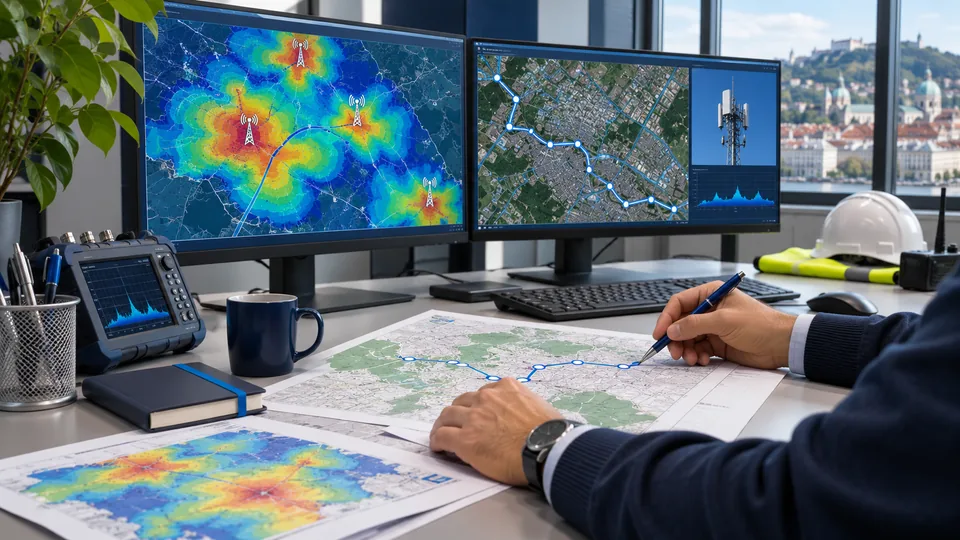
Radio network planning considers coverage objectives, capacity needs, terrain and site constraints to support informed deployment decisions.
Planning translates service requirements into a proposed network structure. Depending on the project, this can involve reviewing candidate sites, antenna characteristics, frequency use, expected traffic and the relationship between indoor and outdoor coverage. Existing infrastructure and deployment constraints are considered alongside the coverage objective.
The work helps compare alternatives before implementation and identify assumptions that need field verification. Planning outputs may include technical recommendations, coverage assessments and priorities for subsequent surveys. Predictions are evaluated against the available inputs and do not replace measurements after deployment.
RF Optimization

RF optimization analyses measurement results and radio parameters to identify opportunities to improve coverage, interference conditions and service continuity.
The work examines how the radio environment and network configuration influence the user experience. Depending on the agreed access and available data, this may include analysis of interference, antenna settings, serving-cell behaviour, mobility events, traffic distribution and areas with unstable service.
Potential changes are prioritized according to their expected benefit and operational constraints. Recommendations can be followed by a new measurement campaign to compare the situation before and after implementation. Parameter changes are coordinated with the responsible network team rather than applied without authorization.
Benchmarking
Comparable measurement campaigns help assess network performance across operators, technologies or locations using consistent methods and agreed indicators.
A benchmarking project begins by defining what will be compared and how to keep the comparison meaningful. Test devices, routes, timing, service scenarios and measurement indicators are aligned as far as practicable, while limitations and differences in operating conditions are documented.
Results can highlight differences in coverage, service availability, mobility and data performance. The aim is to provide an understandable technical comparison for planning and improvement decisions, rather than a ranking detached from the conditions in which measurements were obtained.
GSM / UMTS / LTE / NR
Measurement and technical analysis across GSM, UMTS, LTE and NR help evaluate radio coverage, service behaviour and interactions between network generations.
GSM, UMTS, LTE and NR represent different generations of mobile radio access. Assessing them together helps understand legacy service dependencies, modern data connectivity and how devices behave when they move between coverage areas or radio technologies. The technologies included depend on what is deployed and available in the project area.
The scope can include signal assessment, voice and data test scenarios, mobility behaviour and investigation of technology-specific incidents. Results are interpreted with the relevant network configuration and test-device capabilities in mind, helping teams identify whether a problem affects one generation or a broader part of the service.
Network Rollout Support
Technical support during network deployment helps coordinate field activities, verify installation readiness and identify issues before acceptance.
Rollout support connects planning with field execution. Activities can include reviewing site information, coordinating measurement work, checking documented configurations, identifying installation inconsistencies and collecting technical evidence needed for the agreed acceptance process.
The purpose is to make technical issues visible early and give the responsible teams a traceable list of findings. Acceptance criteria, responsibilities and required records are agreed for each project; this support does not replace the operator’s own authorization or formal acceptance decisions.
Troubleshooting
Structured investigation combines field observations, measurements and technical analysis to locate the causes of network incidents and service degradation.
An investigation starts with a clear description of the symptom: where it occurs, which services are affected and under what conditions. Relevant measurement logs, configuration information and field observations are examined together to form and test possible explanations.
This approach can help separate radio coverage problems from configuration, equipment, transport or device-related issues. The result is a documented assessment of likely causes, supporting evidence and recommended next actions, including additional tests when the available information does not establish a conclusive cause.
Technical Consulting
Independent technical advice helps define requirements, review measurement findings and select practical next steps for network projects.
Consulting can support a new project, an existing network problem or an independent review of a technical proposal. The work may include defining a measurement strategy, reviewing technical documentation, assessing supplier proposals and translating complex results into practical decisions.
Recommendations are developed around the project’s objectives, available evidence, constraints and resources. The intention is to help the client understand trade-offs and choose a defensible course of action, with assumptions and unresolved questions made explicit rather than hidden behind a generic recommendation.
Equipment Rental
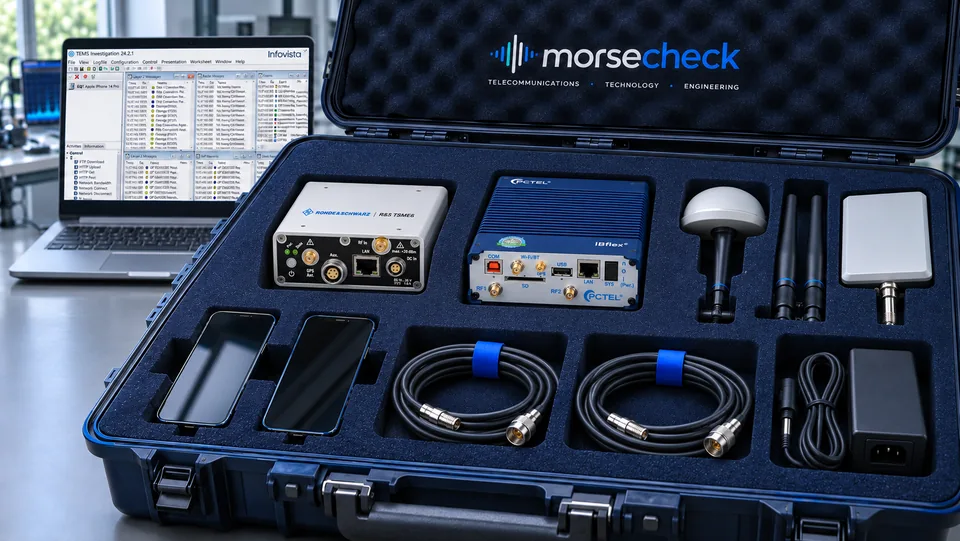
Project-based rental of specialized measurement equipment can support temporary field campaigns. Equipment availability, configuration and rental conditions are confirmed individually.
Rental can be useful when a project needs additional measurement capacity for a defined period without acquiring permanent equipment. The required use case is reviewed to identify suitable devices, accessories, software requirements and any configuration or familiarization needs.
The quotation defines the available equipment, rental period, handover arrangements, permitted use and return conditions. Compatibility and availability are confirmed before a commitment is made. Any technical assistance, calibration information or additional services form part of the individually agreed scope.
Wi-Fi Measurement
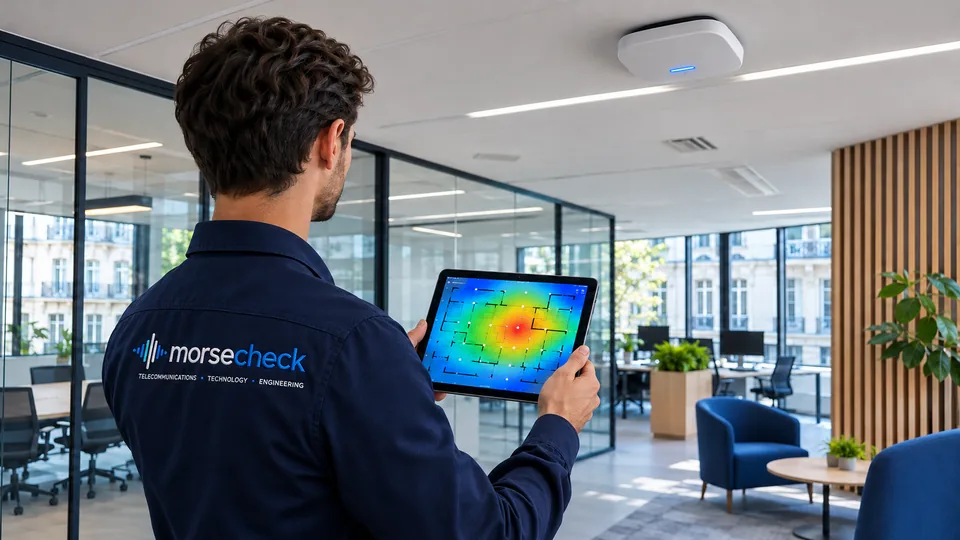
Wi-Fi measurement provides an evidence-based assessment of wireless coverage and connectivity inside the spaces where people and devices need to work.
Wi-Fi measurement evaluates how a wireless local network performs across the spaces where it is used, such as offices, warehouses, commercial premises or public buildings. A survey can combine signal observations with practical connectivity tests to identify weak zones, unstable connections and differences between expected and actual service.
Depending on the project, analysis can cover coverage distribution, signal quality, channel use, interference, access-point overlap, roaming behaviour and throughput. Findings can support decisions about access-point placement, configuration or further investigation, with documented observations and recommendations tailored to the building and its users.

IT Networks
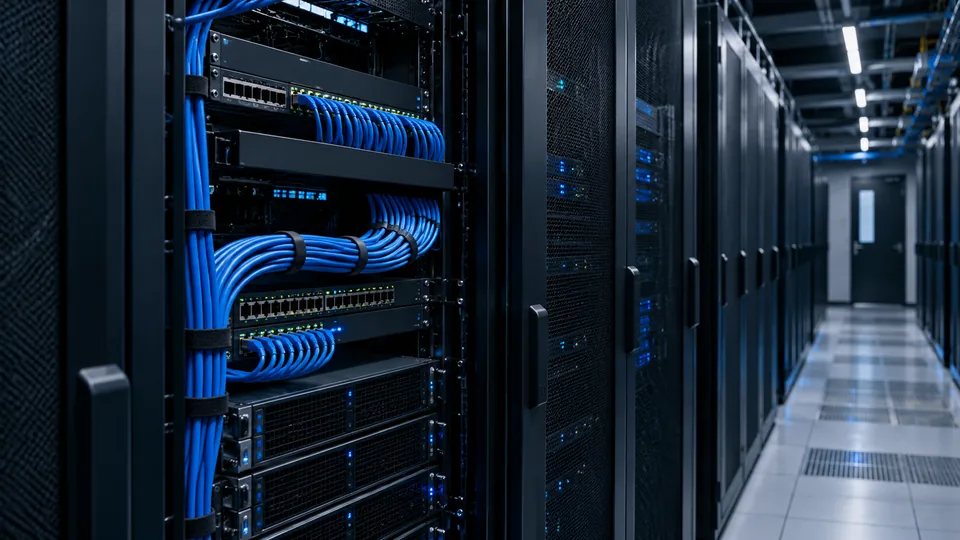
Design and integration of wired and wireless business networks, with attention to connectivity, segmentation, capacity and day-to-day operation.
The starting point is understanding which users, applications and locations the network must connect. Work can include network topology, switching, routing, wireless access, internet connectivity, separation of user groups and the integration of existing equipment.
Implementation is planned with business continuity and future maintenance in mind. The agreed scope can include configuration, connection testing and technical documentation, helping the organization operate a network that is understandable, manageable and appropriate for its actual workload.
Cloud Infrastructure
Planning and integration of cloud environments, including deployment structure, access, reliability and resource use according to business requirements.
Cloud infrastructure provides the technical environment in which applications and data services run. A project can examine workload needs, deployment options, network connectivity, identity and access, backup arrangements and the operational responsibilities shared between the organization and its providers.
The aim is to select a structure that fits the business instead of moving systems to the cloud without a clear purpose. Migration steps, resource sizing, monitoring and cost visibility can be included in the agreed work, while provider charges and ongoing operation are addressed explicitly.
Software Development

Software built around defined workflows, with requirements analysis, implementation and integration into existing business processes.
Development starts by defining the problem the software should solve, the people who will use it and the information it must handle. Requirements are translated into an implementation plan covering workflows, interfaces, data structures and connections with other systems.
The project can include prototypes, iterative development, functional checks, deployment preparation and documentation. This makes it possible to review the solution progressively and verify that the delivered behaviour matches the agreed scope, while leaving a maintainable foundation for future changes.
Web Applications
Browser-based applications for business workflows, customer services and internal tools, designed around usability and maintainable integrations.
A web application lets users perform tasks through a browser, from managing projects and records to requesting services or accessing an internal portal. The design considers user journeys, responsive layouts, access needs and the information exchanged with backend systems.
Work can include interface development, application logic, integrations, validation and deployment. The appropriate architecture depends on the task: some solutions can remain largely static, while others require authenticated access and server-side processing. Those capabilities are defined as part of the project rather than assumed.
Mobile Applications
Mobile applications for field work, customer interactions and operational tasks, with scope and platform support defined for each project.
Mobile projects focus on the situations in which people use a phone or tablet, including movement, small screens and variable connectivity. Requirements can include data capture, task management, notifications, device features and synchronization with an existing business system.
The selected platform and development approach depend on the intended users, devices and distribution model. Prototypes and practical tests help review usability before broader release. Offline operation, app-store publication, maintenance and backend services are included only when they form part of the agreed scope.
Artificial Intelligence
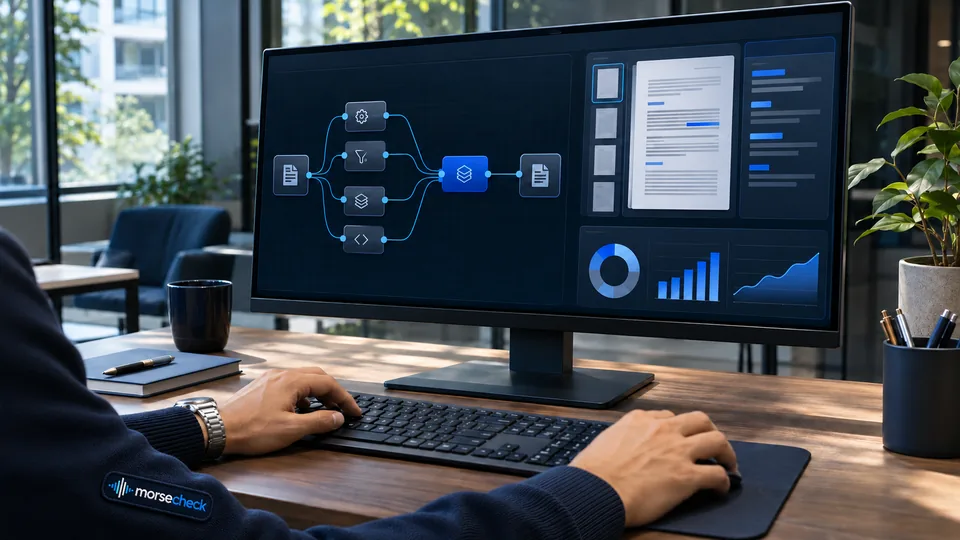
Assessment and integration of AI-assisted workflows for suitable business tasks, including data requirements, evaluation and human oversight.
AI work begins by deciding whether a task benefits from automation or assistance and whether the necessary data can be used appropriately. Potential use cases include organizing information, supporting document workflows, extracting structured content and assisting internal decision processes.
The scope can include a limited prototype, evaluation against representative examples, integration and controls for human review. Accuracy, data handling, operating costs and failure cases are considered before wider use. AI outputs are evaluated for the specific task rather than treated as inherently reliable.
Cybersecurity

Security reviews and practical improvements for systems, networks and applications, based on the agreed scope and authorized access.
A cybersecurity project identifies the systems to assess, the permitted activities and the business risks that matter most. Reviews can examine configuration, access permissions, software exposure, network separation and the way sensitive information is handled.
Findings are prioritized so the organization can address practical weaknesses with a clear rationale. The agreed work may include remediation guidance, configuration improvements and verification after changes. Intrusive testing requires an explicit scope and authorization; no review can promise the absence of all future security incidents.
Hardware & Infrastructure
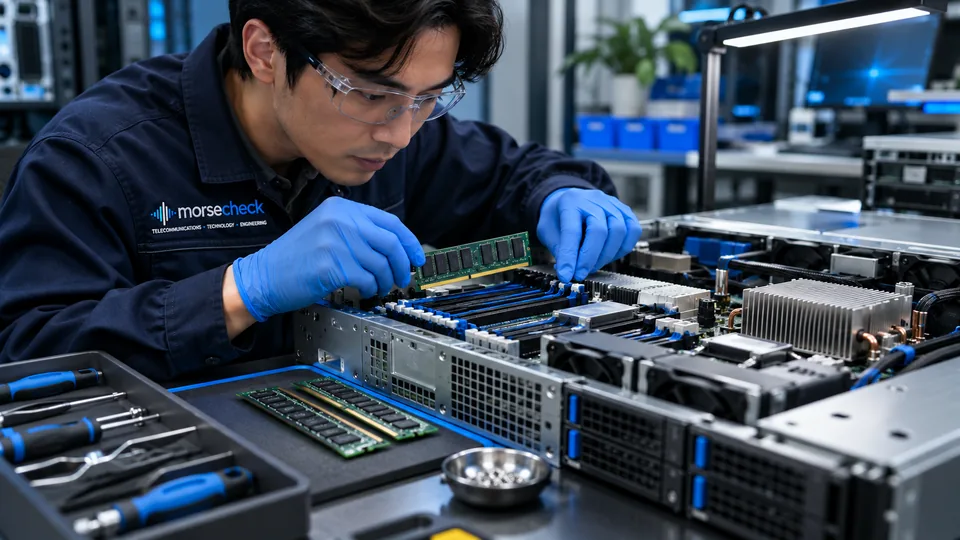
Selection and integration of computing hardware and technical infrastructure to match performance, compatibility and operational needs.
Infrastructure decisions involve more than selecting individual devices. The work considers how servers, workstations, storage, network equipment and supporting components will operate together, as well as power, connectivity, capacity and compatibility with existing systems.
The project can include requirements assessment, comparison of options, installation planning and integration checks. Documentation and a clear understanding of maintenance needs help the organization manage the equipment over its useful life, while procurement and support conditions are confirmed individually.
Systems Integration
Connecting applications, devices and data flows so that existing systems can work together with clear interfaces and responsibilities.
Integration addresses the gaps between systems that were not originally designed to work together. A project may connect business applications, websites, field devices or external services through documented interfaces, data exchanges and controlled automation.
Attention is given to data mapping, validation, access, error handling and the ownership of each part of the workflow. The result should reduce unnecessary manual work while keeping failures understandable and recoverable. Compatibility and provider limitations are checked before the integration design is finalized.
Technology Consulting

Technical guidance to assess options, define priorities and plan technology projects around practical business needs.
Technology consulting helps turn a broad business need into a defined technical direction. It can involve reviewing the current environment, identifying pain points, comparing build-versus-buy options and setting priorities for investment or implementation.
The output may be a requirements brief, an assessment of alternatives, a project roadmap or an independent technical review. Recommendations consider operational effort, maintainability, cost and dependencies, giving the client a practical basis for deciding what to do next and in what order.
03 / Engineering
Engineering through knowledge, science and technology.
A multidisciplinary division, with current capabilities in food engineering and a foundation for expansion into other engineering disciplines.
Contact Engineering ↗
Food Engineering

Engineering support for food-related products and processes, connecting scientific knowledge with practical production requirements.
Food engineering applies engineering methods to the transformation, handling and production of food products. A project can examine how equipment, process steps, material flows and operating conditions interact, with attention to the characteristics of the product and the realities of production.
The work can support process assessment, development planning and investigation of technical limitations. Recommendations are linked to the available information and project objectives, while production trials, specialized testing and any required external expertise are defined before implementation.
Food Technology

Technical assessment of food processing and preservation approaches, considering product characteristics and intended operating conditions.
Food technology focuses on how processing, ingredients, storage and handling influence the characteristics of a food product. The work can explore a proposed production method, investigate a technical issue or compare alternatives for a product or process.
Activities may include reviewing existing information, planning trials and interpreting observations relevant to the agreed question. The aim is to connect product requirements with a workable technical approach. Any testing needed to substantiate a specific product claim must be established within the project scope.
Food Laboratory Services
Laboratory-related technical support for agreed food analysis needs. Methods, sample requirements and any external laboratory involvement are confirmed per project; no accreditation is implied.
Laboratory work starts with a precise analytical question and an appropriate plan for obtaining representative samples. Support can include defining the requested analysis, organizing sample information, coordinating suitable testing arrangements and reviewing how results relate to the product or process being investigated.
Methods, equipment, sample handling, reporting format and any specialist laboratory involvement are confirmed for each assignment. Results are interpreted within the limits of the method and sample set. The service description does not imply an accredited laboratory, certification authority or a universal catalogue of in-house tests.
Process Development
Development and refinement of process steps, operating conditions and technical workflows to address defined production objectives.
Process development converts an objective into a sequence of practical operations. This can involve examining process steps, equipment interactions, operating parameters, material movement and points where variability or inefficiency enters the system.
Proposed improvements can be reviewed through calculations, structured trials or observations at an appropriate scale. The aim is to build an evidence-based route from the current process to the intended result, with operating limits, validation needs and implementation responsibilities clearly recorded.
Product & Process Analysis
Analysis of product characteristics and process behaviour to investigate variability, identify constraints and inform technical decisions.
Product and process analysis looks at both what is produced and how it is produced. The investigation can compare product characteristics with process conditions, raw-material information and observations from different stages to understand variation or recurring technical problems.
The work helps organize evidence and distinguish possible causes from confirmed findings. Depending on the question, outputs may include an analysis report, identified constraints and recommendations for additional tests or process adjustments. Conclusions remain tied to the quality and extent of the available data.
Technical Consulting
Specialist advice on engineering questions, project requirements and potential technical approaches within the agreed discipline and scope.
Engineering consulting provides a structured way to examine a technical question before committing resources to a solution. It can include review of process information, equipment proposals, trial plans, supplier documentation or the feasibility of a proposed change.
The advice connects scientific and engineering considerations with practical constraints such as available equipment, operating conditions and implementation effort. Deliverables and specialist boundaries are agreed in advance so the client receives a clear assessment of options, assumptions and next steps.
Quality & Technical Support
Technical assistance with quality-related questions, process documentation and investigation of operational issues.
Quality and technical support helps teams understand and address issues that affect the consistency of products or processes. Activities can include reviewing technical records, organizing observations, examining deviations and supporting the development of clearer operating or inspection documentation.
The emphasis is on traceable information and practical follow-up: what happened, which evidence is available and which actions should be checked. The scope can support an internal improvement effort, but it does not by itself constitute product certification, regulatory approval or a guarantee of compliance.
Chiptuning
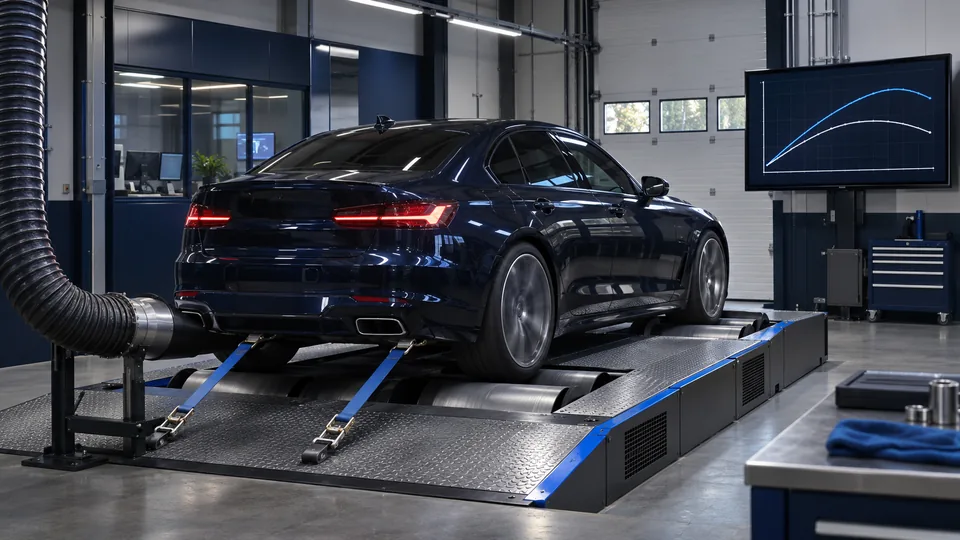
Assessment and calibration of engine management parameters within the applicable technical and regulatory framework. Suitability depends on the vehicle and intended use.
Chiptuning concerns the calibration of electronic engine-management parameters, rather than the addition of a generic device that promises the same result for every vehicle. Before a change is considered, the vehicle configuration, current condition, existing software and intended use need to be understood.
The scope can include an initial assessment, definition of calibration objectives and suitable verification of the resulting behaviour. Mechanical limits, reliability and applicable approval requirements remain part of the decision. No fixed power increase or compatibility is promised without an individual technical assessment.
ECU Remapping
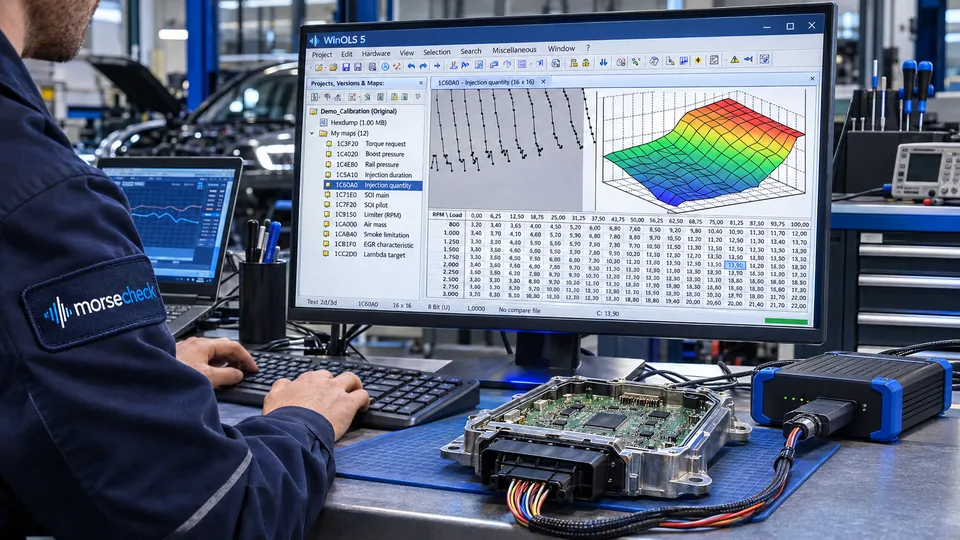
Revision of ECU calibration data for agreed objectives, subject to vehicle compatibility, validation and applicable approval requirements.
ECU remapping changes selected calibration data used by an electronic control unit to manage vehicle functions. In an engine-management context, this means evaluating how relevant control strategies relate to the agreed objective and to the capabilities of the specific hardware and software version.
A responsible project includes identification of the unit, review of the existing condition, appropriate preservation of original data and a validation plan. The available work depends on technical access, compatibility and applicable requirements. Calibration changes are not a substitute for repairing an existing mechanical or electronic fault.
Advanced Diagnostics

Systematic fault diagnosis using diagnostic data, measurements and component checks to investigate vehicle system behaviour.
Advanced diagnostics goes beyond reading and clearing fault codes. It examines symptoms in context and uses relevant live data, recorded events, measurements and component checks to investigate why a system is not behaving as expected.
The diagnostic process develops and tests possible causes rather than replacing parts solely on the basis of a code. Findings can identify a likely fault, a need for further testing or conditions that prevent a definitive conclusion. Repair recommendations are based on the evidence obtained and the agreed scope.
Vehicle Coding
Configuration of supported vehicle functions and replacement modules, subject to compatibility and manufacturer-specific requirements.
Vehicle coding configures supported options and module settings so electronic systems match the vehicle’s equipment and intended configuration. It may be relevant after replacing a module, retrofitting a compatible component or resolving a configuration mismatch.
The work starts with identifying the vehicle and confirming which functions and combinations are supported. Existing settings are documented where possible, and the affected functions are checked after the change. Coding cannot create hardware capabilities that are absent or make an incompatible module suitable by itself.
ECU Programming
Programming of compatible electronic control units during repair, replacement or configuration work, with the required vehicle-specific checks.
ECU programming involves writing appropriate software or data to a compatible control unit, for example during replacement, repair or an approved software-related intervention. It differs from merely changing a user setting and requires attention to unit identity, software compatibility and programming conditions.
The agreed process can include identification, preparation, data preservation where supported and post-programming checks. Some operations may require manufacturer-specific access or additional procedures. Availability is assessed individually, and a successful programming operation does not remove the need to diagnose underlying faults.
ECU Cloning
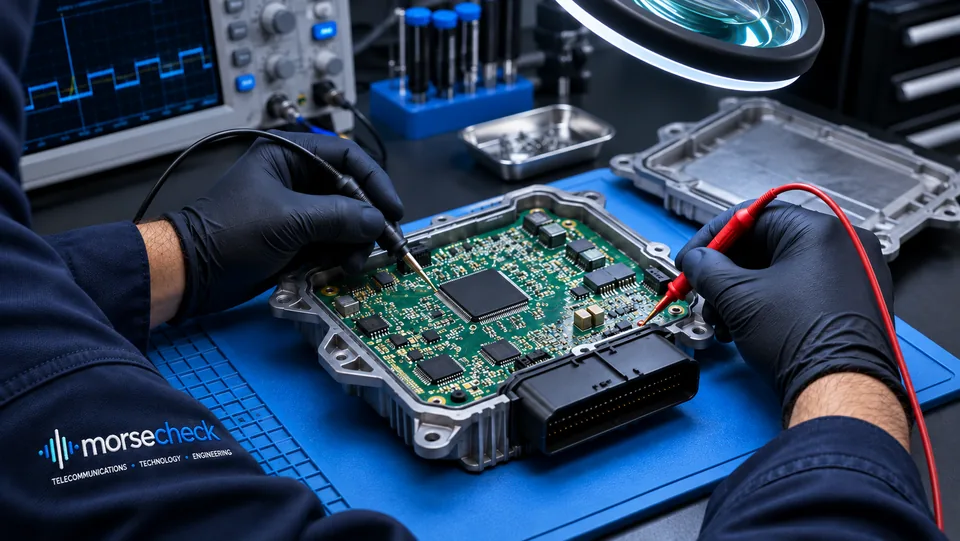
Transfer of compatible control-unit data for legitimate repair or replacement purposes. Authorization and technical compatibility must be confirmed.
ECU cloning is the transfer of compatible control-unit data to a suitable replacement unit for an authorized repair. Its feasibility depends on the unit family, hardware and software versions, data accessibility and the condition of the original unit.
The assessment checks whether the required data can be read and whether the replacement is appropriate. Backup and verification are considered where technically possible. This service is limited to legitimate repair and replacement work and does not imply unrestricted compatibility or the bypass of ownership and security requirements.
ECU Repair
Investigation and repair assessment for electronic control units, including evaluation of whether repair or replacement is technically appropriate.
An ECU repair assessment investigates whether a malfunction originates in the control unit itself or in its power supply, wiring, connected components or operating environment. This helps avoid treating a symptom outside the unit as an internal electronic failure.
Where appropriate and technically feasible, the work can progress to inspection, component-level investigation and verification after repair. Some units may require replacement instead. Repairability, data access and the level of testing available are confirmed before work is accepted; no universal repair success is implied.
DPF · EGR · AdBlue Solutions
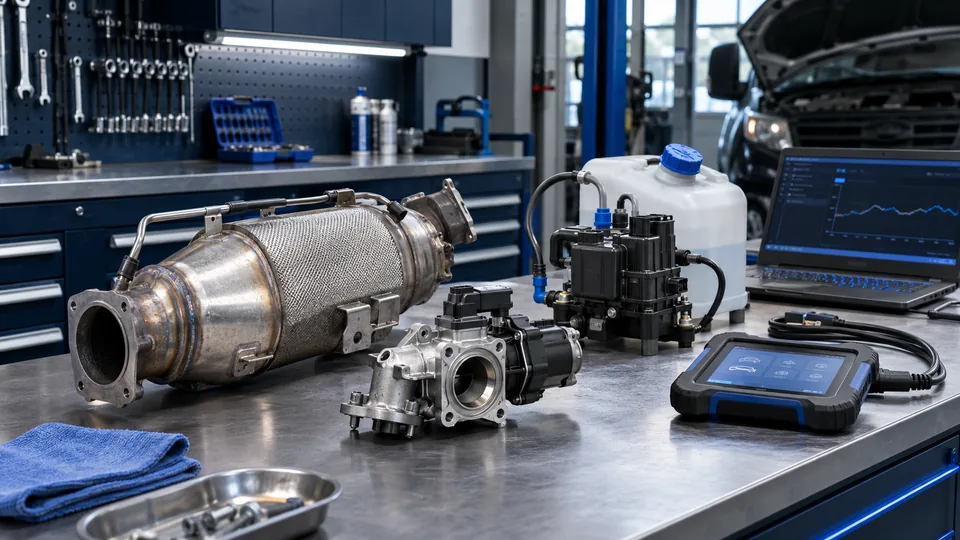
Diagnosis, maintenance and compliant repair assessment for DPF, EGR and AdBlue systems. Work is subject to applicable emissions rules; unlawful disabling of emissions controls is excluded.
DPF, EGR and AdBlue systems form part of a vehicle’s emissions-related technology. Symptoms such as warning messages, recurring fault codes or restricted operation require an assessment of the system as a whole, including relevant sensors, actuators, wiring and operating conditions.
The scope focuses on diagnosis, maintenance needs and technically appropriate, lawful repair options. A proposed intervention must preserve the requirements applicable to the vehicle and its use. Removal or disabling of emissions controls where unlawful is excluded; the service is not advertised as a universal emissions-delete solution.
Performance Calibration
Calibration assessment to align vehicle behaviour with agreed performance objectives while considering reliability, operating limits and applicable requirements.
Performance calibration examines whether vehicle control settings can be aligned with a clearly defined objective, considering the interaction between engine, transmission and other relevant systems. The starting point is a technically suitable vehicle and a realistic understanding of its operating limits.
The work can include baseline observations, review of calibration options and an agreed verification process. Evaluation considers driveability and consistency as well as the requested performance characteristic. Results depend on vehicle condition, hardware, software and test conditions; a particular numerical gain is not assumed.
Electronic Troubleshooting
Investigation of electronic faults through system data, wiring checks and component-level analysis where appropriate.
Electronic troubleshooting investigates faults that may involve several interacting modules or occur only under specific conditions. The process can examine supply voltage, grounds, wiring, communication paths, sensor signals and recorded system behaviour.
Symptoms are reproduced where feasible and potential causes are tested in a logical sequence. The outcome is a documented technical assessment and recommended next action, which may involve wiring repair, component testing, software review or further investigation. Not every intermittent fault can be conclusively reproduced during a single assessment.
Services are provided according to applicable technical and regulatory requirements in the relevant jurisdiction.
Real Estate

Proprietary assessment of selected property opportunities, from acquisition and renovation to development, value enhancement and potential resale.
Real-estate activity considers the property, its location, condition and potential use alongside the practical work needed to develop the opportunity. Assessment can include renovation needs, project dependencies, operating requirements and the relationship between the acquisition and the intended exit or long-term use.
Decisions are taken for proprietary investment purposes and depend on project-specific review and appropriate external professional input where needed. The description outlines an area of company activity; it is not a public offer, a promise of return or a property advisory service for third-party investors.
Companies & Startups

Strategic participation in selected companies, startups and entrepreneurial projects, assessed against long-term business objectives.
Participation in companies and startups involves looking at the business model, the team, the product or service and the resources needed for development. Strategic fit matters alongside the commercial opportunity, particularly where technical knowledge or operational capabilities can contribute to the project.
The form and scope of any participation are determined through individual discussions and due diligence. MorseCheck acts in its own investment interest rather than managing a public investment fund or providing regulated advice to external investors. No general invitation to invest or guaranteed funding is implied.
Technology & Equipment
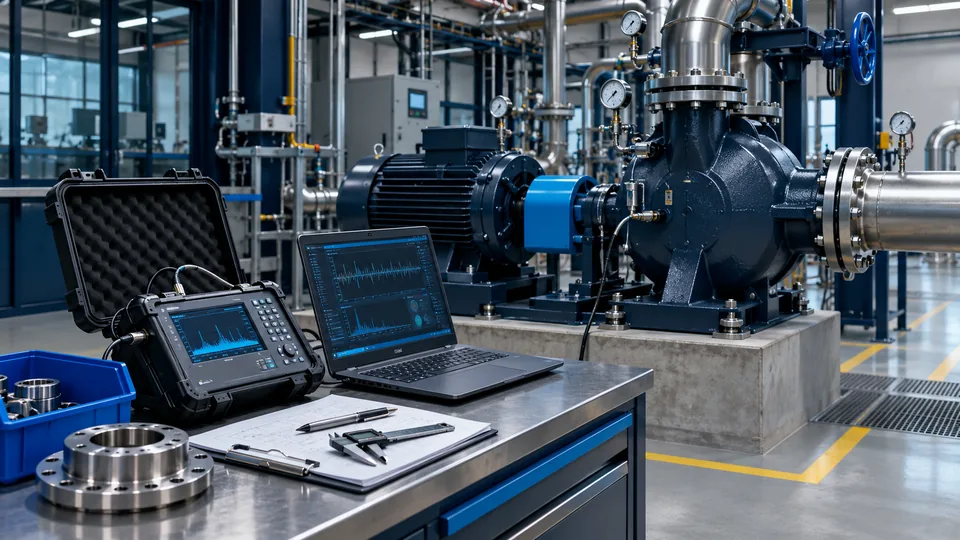
Proprietary investment in specialized equipment, infrastructure and technical assets that can support operational capabilities or selected business opportunities.
Technical assets can include specialized measurement equipment, computing infrastructure, machinery or other resources that enable a defined activity. Assessment considers how the asset will be used, its compatibility, maintenance requirements, useful life and the practical options for deployment or later disposal.
The objective is to connect capital allocation with a clear technical or operational purpose. Each opportunity is reviewed on its own merits, including the resources needed to keep the asset productive. This describes proprietary investment activity, not an equipment-financing product or an investment service offered to the public.
Alternative Assets

Assessment of selected alternative opportunities, including digital assets and cryptocurrency, for proprietary investment activities. This is not an offer of financial products or investment advice.
Alternative assets are considered selectively as part of the company’s own investment activities. The assessment of an opportunity can include its structure, liquidity, technical dependencies, custody arrangements and the possibility of substantial changes in value or loss.
Digital assets and cryptocurrency are examples of this category, not a focus on short-term trading presented to visitors. Any decision is made for the company’s own account following its own assessment. The website does not provide personalized recommendations, custody services, trading services or a promise of investment performance.
MorseCheck conducts proprietary investment activities and does not provide regulated investment advice or financial services.
OUR APPROACH
One standard across every discipline.
Independent Thinking
Practical Execution
International Perspective
About
Engineering knowledge across industries.
MorseCheck is an international technology and engineering company bringing together telecommunications, information technology, engineering, automotive technology and strategic investments within one multidisciplinary organization. Our objective is simple: combine specialized knowledge with flexible execution and develop long-term capabilities across industries where technology and engineering create measurable value.